
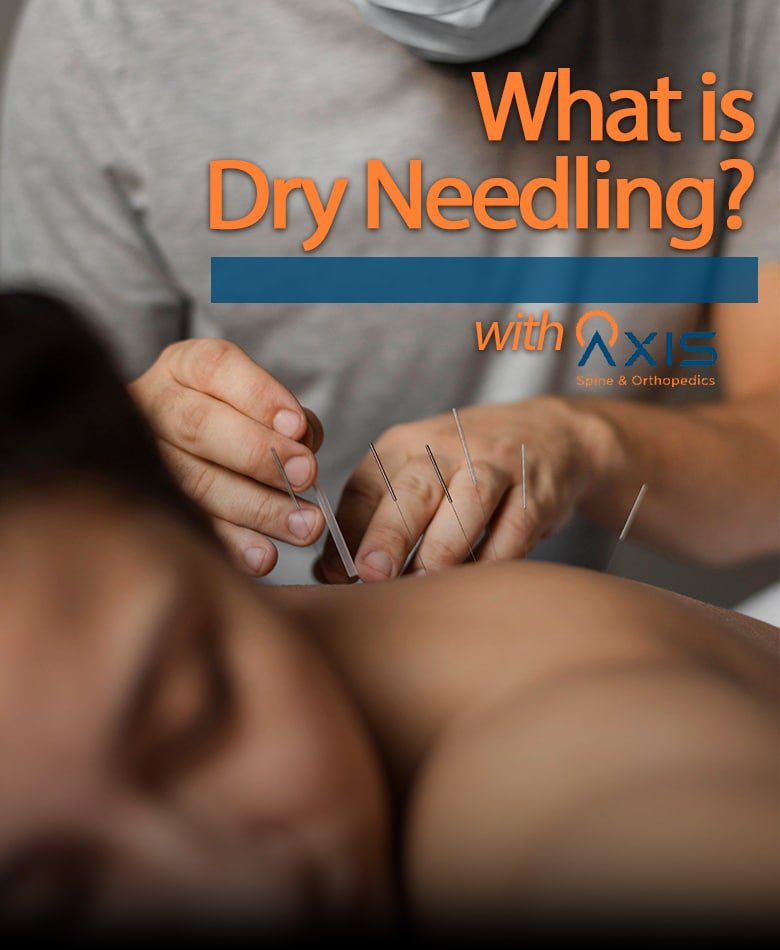
Dry needling is a technique where thin needles are inserted into muscles, tendons, ligaments, or near nerves to help reduce pain and improve function. It is called “dry” needling because the needles do not inject any medication into you. Instead, the needles are used to target specific areas of the body that may be contributing to pain, muscle tension, or limited movement. Dry needling is often used as part of a larger physical therapy treatment plan rather than being the only form of treatment.
One of the main purposes of dry needling is to target trigger points, which are tight or sensitive areas within a muscle. When these areas become irritated or remain tight, they can contribute to discomfort and affect how you move. By targeting these areas with a needle, a physical therapist may be able to help relax the muscle and improve movement in the affected area. Some patients report feeling an improvement in their pain or mobility after treatment, although everyone’s response can be different.
Dry needling can be used for a variety of musculoskeletal injuries and conditions. It may be incorporated into treatment for muscle tightness, sports injuries, joint pain, or other movement-related problems. Depending on the area being treated, dry needling may be combined with exercises, stretching, manual therapy, and other physical therapy techniques. This combination allows your therapist to work on both your symptoms and the factors that may be contributing to them.
It is also important to remember that dry needling is not intended to be a one-size-fits-all treatment. Your physical therapist will evaluate your condition and determine whether it may be an appropriate option for you. The number of treatments and areas being treated can vary depending on your symptoms, goals, and response to therapy.
At Axis Spine and Orthopedics, we use individualized treatment plans to address each patient’s specific needs. Dry needling can be one tool used alongside other physical therapy techniques to help reduce discomfort, improve mobility, and help you return to the activities you enjoy. Our goal is to help you move better, feel better, and get back to doing what you love.