

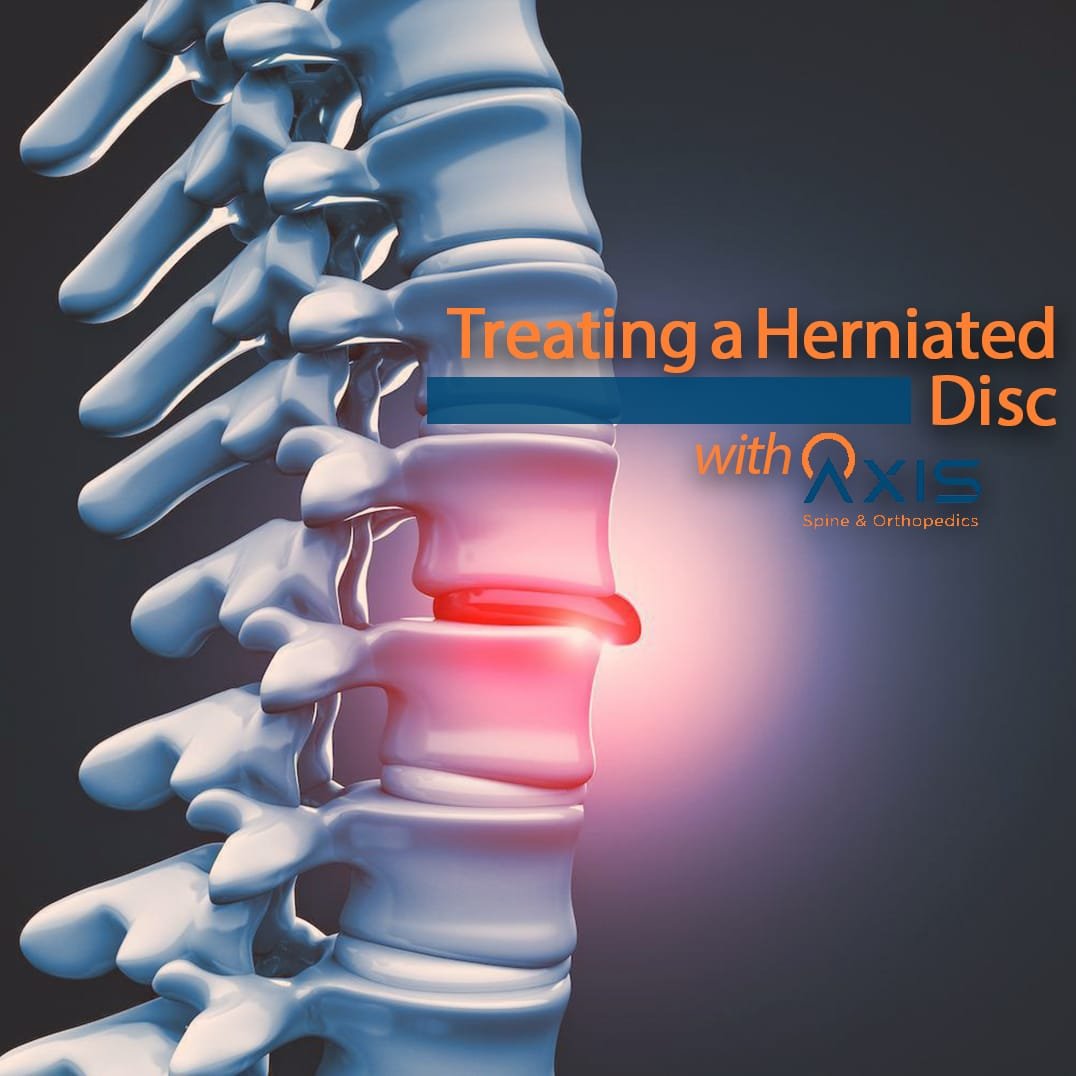
A herniated disc occurs when the soft cushion in between the bones in your spine pushes out through a tear or weakened area in the outer portion of the disc. These discs act as cushions between your vertebrae and help absorb stress as you move. When part of a disc pushes outside of its normal position, it can irritate or put pressure on nearby nerves. This can cause pain, discomfort, numbness, tingling, or weakness in different areas of the body depending on where the herniated disc is located.
Herniated discs are most common in the lower back, but they can also occur in the neck. A herniated disc in the lower back may cause pain that travels into the buttocks, hip, or leg, which can sometimes be mistaken for sciatica. A herniated disc in the neck may cause symptoms that travel into the shoulder, arm, or hand. Symptoms can range from mild discomfort to pain that interferes with everyday activities such as walking, sitting, working, or exercising.
In some cases, a herniated disc can improve with non-surgical treatment. Physical therapy, activity modifications, medications, and other treatments may be used to help manage symptoms and improve strength and mobility. Here at Axis Spine and Orthopedics, we can help address herniated disc symptoms through specialized physical therapy techniques and, when appropriate, minimally invasive spine surgery procedures. Treatment depends on the severity of the condition, the symptoms you are experiencing, and what is causing the nerve irritation or compression.
While most herniated discs do not require emergency treatment, new loss of bladder or bowel control, difficulty urinating, or significant weakness should be treated as a medical emergency and require immediate medical attention.
If a herniated disc is affecting your ability to do the things you enjoy, our team can evaluate your symptoms and help determine which treatment options may be appropriate for you. With the right treatment and guidance, the goal is to reduce your symptoms, improve your function, and help you get BACK to It.
Source: https://my.clevelandclinic.org/health/diseases/12768-herniated-disk


