

The short answer to this is yes, in many cases a herniated disc can improve without surgery, but how? Many people with herniated discs are able to manage their symptoms and improve through non-surgical treatment. One of the first approaches is often targeted physical therapy, which can use specific movements and stretches to improve mobility, strengthen the core and supporting muscles, and help reduce stress placed on the spine. Physical therapy can also help patients learn better movement and posture habits to support their spine during everyday activities.
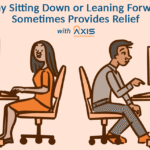
At Axis Spine and Orthopedics, we can also utilize the McKenzie Method, which is an approach used to assess and treat certain types of neck and back pain. The McKenzie Method emphasizes movement, posture, and specific exercises that are tailored to the patient’s symptoms and response to treatment. If conservative treatment does not provide enough relief, epidural steroid injections may also be an option for certain patients. These injections deliver medication near the affected area to help reduce inflammation and provide pain relief, potentially making it easier to participate in physical therapy and everyday activities.
Surgery is generally considered when non-surgical treatments have not provided adequate relief, symptoms continue to significantly interfere with daily life, or there is significant nerve compression or neurological problems that require surgical treatment. Every herniated disc is different, so the right treatment depends on the location and severity of the herniation, your symptoms, and your overall health. If you’re experiencing persistent back or leg pain, numbness, tingling, or weakness related to a herniated disc, Axis Spine and Orthopedics can help evaluate your symptoms and discuss appropriate treatment options to help you get BACK to It.