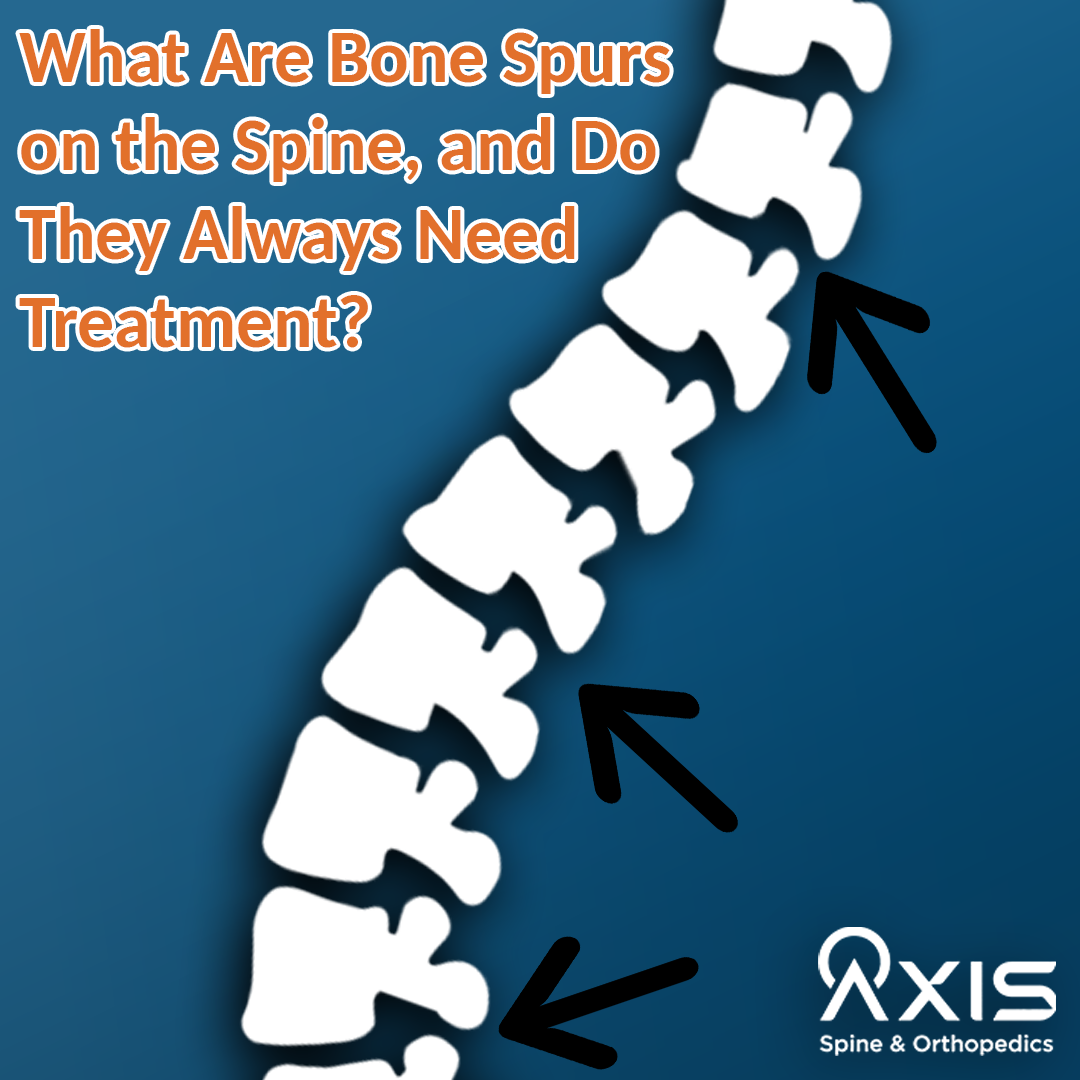
 When people experience back or neck pain, they may not immediately think about bone spurs as a possible cause. Bone spurs, also known as osteophytes, are small bony growths that can develop along the edges of bones, including the vertebrae in your spine. While they may sound concerning, bone spurs are relatively common and do not always cause pain or require treatment. Understanding what causes spinal bone spurs, how they can affect your daily life, and when to seek medical attention can help you make informed decisions about your spine health.
What Causes Bone Spurs on the Spine?
Bone spurs often develop as the body responds to changes in the joints and bones over time. One of the most common contributing factors is osteoarthritis, a condition that causes the protective cartilage between joints to wear down. As the spine changes, the body may form additional bone around the affected areas. Other factors that may contribute to bone spur development include age-related changes in the spine, previous injuries, repetitive stress, and degenerative disc disease. These changes can occur in different areas of the spine, including the cervical spine (neck) and lumbar spine (lower back). Although bone spurs are often associated with aging, they can affect people at different stages of life depending on their spinal health, medical history, and other contributing factors.
What Symptoms Can Bone Spurs Cause?
Many people have spinal bone spurs without experiencing any symptoms. However, problems can develop when a bone spur narrows the space available for nearby nerves or the spinal cord. Depending on its location, a bone spur may contribute to symptoms such as:
- Neck or back pain
- Stiffness or reduced range of motion
- Pain that travels into the shoulders, arms, or legs
- Numbness or tingling in the arms, hands, legs, or feet
- Muscle weakness or difficulty with certain movements
For example, bone spurs in the neck may contribute to nerve compression that causes symptoms in the shoulders, arms, or hands. In the lower back, bone spurs may contribute to narrowing around the spinal canal or nerve openings, potentially causing pain, numbness, or weakness in the legs. It is important to remember that these symptoms can have several causes. Finding a bone spur on an imaging scan does not automatically mean it is responsible for your pain. A medical evaluation can help determine whether the bone spur is related to your symptoms.
How Are Spinal Bone Spurs Diagnosed?
If you are experiencing persistent neck or back pain, numbness, tingling, or weakness, a spine specialist may recommend an evaluation to identify the underlying cause. The process may include reviewing your symptoms and medical history, performing a physical examination, and assessing your movement, strength, and sensation. Depending on your symptoms, imaging tests such as X-rays, CT scans, or an MRI may be recommended. These tests can help identify bone spurs and determine whether they may be contributing to spinal narrowing or nerve compression. The appropriate test depends on your symptoms and what your provider needs to evaluate.
Do Bone Spurs Always Require Surgery?
The good news is that spinal bone spurs do not always require surgery. If a bone spur is not causing symptoms or affecting nearby nerves, treatment may not be necessary. When symptoms are present, treatment depends on the location of the bone spur, the severity of the symptoms, and whether nerves or the spinal cord are affected. Nonsurgical options may include activity modifications, appropriate medications, physical therapy, or injections when recommended by a medical professional. If symptoms continue despite conservative treatment, or if a bone spur causes significant nerve or spinal cord compression, surgery may be considered. Certain procedures can relieve pressure on affected nerves or the spinal cord by creating more space within the spine. The appropriate procedure depends on the specific condition and the patient’s overall health.
When Should You See a Spine Specialist?
Occasional stiffness or mild discomfort does not necessarily mean you have a serious spinal condition. However, persistent or worsening neck and back pain, pain that travels into your arms or legs, or ongoing numbness and tingling should not be ignored. New or worsening muscle weakness, difficulty walking, or changes in coordination also warrant prompt medical evaluation. Seek emergency care for new loss of bladder or bowel control or numbness around the groin or saddle area, particularly when accompanied by back pain or leg weakness.
At Axis Spine & Orthopedics, our team evaluates spinal conditions and helps patients understand their symptoms and available treatment options. If neck or back pain is interfering with your everyday activities, a professional evaluation can help determine what may be causing your discomfort and what steps may help.
Contact Axis Spine & Orthopedics to learn more about your spine health and discuss your treatment options. Our goal is to help you get BACK to it.